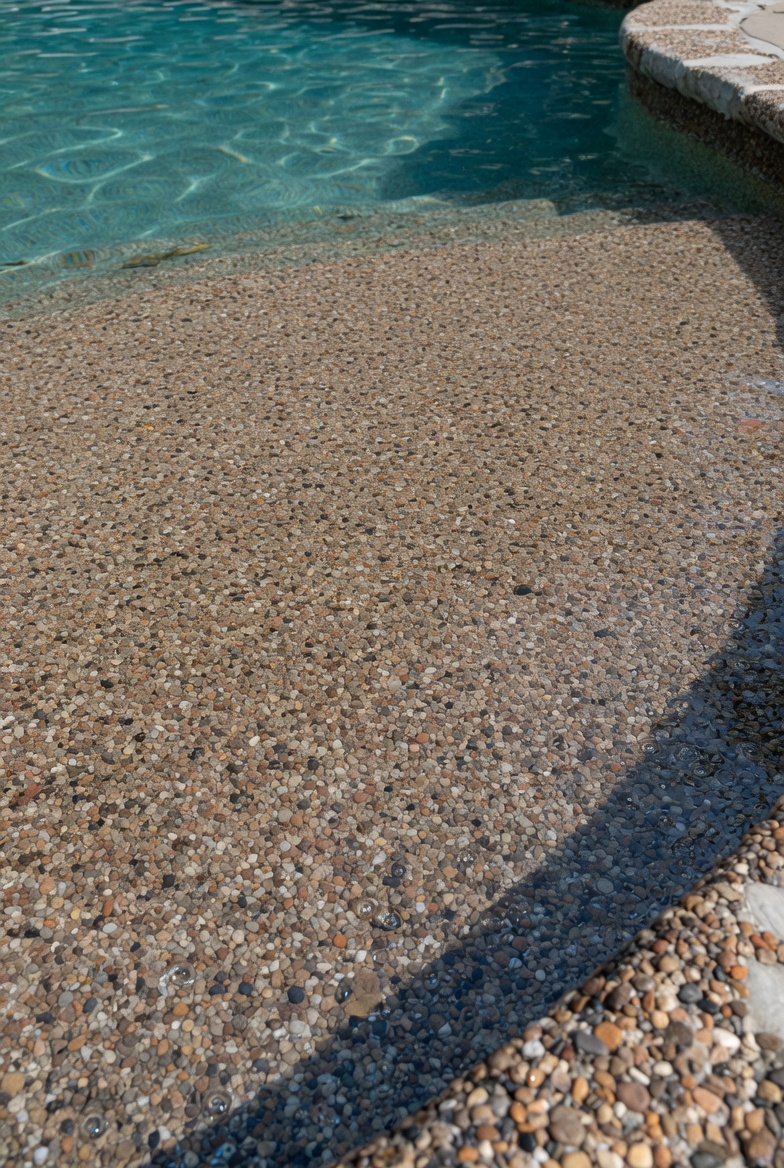
For most St. George pools that you'll own 10+ years, PebbleTec wins. It costs roughly 2× plaster but lasts 2–3× longer in our hard water — so the long-run math favors pebble.
For shorter ownership horizons or tighter budgets, standard plaster is fine. You'll get 7–10 years out of it, and you can switch to pebble next time.
Quick comparison table
Here's the at-a-glance comparison for a typical 14×28 residential pool in St. George. Numbers are 2026 ranges from our vetted contractor network.
| Standard plaster | PebbleTec / pebble | |
|---|---|---|
| Typical St. George cost | $5,500 – $9,000 | $11,000 – $18,000 |
| Expected lifespan | 7 – 10 years | 15 – 20+ years |
| Cost per year of life | ~$800 – $1,000/yr | ~$700 – $1,000/yr |
| Feel underfoot | Smooth | Textured (classic) or smoother (Sheen/Fina) |
| Hides hard-water scale | No | Yes |
| Color options | Limited (white, gray, blue tints) | Wide palette of natural blends |
| Warranty | 1 yr workmanship typical | 10 yr limited material (PebbleTec brand) |
Cost — what each one actually runs
Standard plaster is the entry point for resurfacing. For a typical residential pool in St. George, expect $5,500–$9,000. That covers drain, surface removal, bond coat, new plaster, refill, and basic acid-wash startup.
PebbleTec and other pebble finishes run $11,000–$18,000 for the same pool. That's roughly 2× the plaster cost. The difference is partly the material (pebble aggregate is more expensive than cement-and-marble dust) and partly the labor (pebble finishes take more skill to apply consistently).
If you only stare at the sticker price, plaster wins. If you divide cost by expected years of life, the two finishes come out almost identical in St. George — and pebble pulls ahead if your water chemistry is well-maintained.
Lifespan in St. George's hard water
This is where the comparison really matters. Standard plaster in St. George typically lasts 7 to 10 years before it shows the signs of needing resurfacing — chalkiness, etching, staining, color loss. Our hard water (250–400 ppm calcium hardness is typical) and intense UV are both harder on plaster than the national average.
PebbleTec and pebble finishes regularly last 15 to 20+ years in the same environment. The reason is materials science: plaster is essentially a cement product that's slowly dissolved by aggressive water chemistry over time. Pebble finishes are inert stone embedded in a cement matrix — the stone itself doesn't dissolve, so even as the matrix wears, the pebble surface is intact.
What shortens both finishes in St. George
- Hard water that's not properly balanced. Calcium hardness above 400 ppm causes scale; below 200 ppm, water gets aggressive and etches the surface.
- pH swings. Anything below 7.2 is corrosive; above 7.8 promotes scale.
- Stabilizer (cyanuric acid) above 50 ppm. Common in St. George because of high evaporation and chlorine demand.
- Heavy rain events. Rare here, but they crash pH overnight when they do happen.
Feel, color, and aesthetics
Plaster is the smoothest finish. It's a tight troweled surface that feels almost like a bathtub. White plaster gives a bright, classic blue water color; tinted plasters (light gray, light blue, sand) shift the water color subtly.
PebbleTec Classic has a noticeable texture — small pebbles, exposed by acid wash, that you can feel underfoot. Some people love it (better grip, more interesting visual depth); some find it abrasive on bare feet. PebbleSheen and PebbleFina are progressively smaller pebbles and feel closer to plaster, while still being pebble-grade durable.
Color is where pebble runs away with it. The natural pebble aggregate creates depth and variation that plaster can't match. Ivins homes with PebbleTec finishes against red rock landscaping particularly benefit — the warm tones in some pebble palettes tie into the sandstone in a way white plaster never will.
Maintenance differences
Both finishes need the same fundamental water-chemistry maintenance. But there are subtle differences in day-to-day care:
- Plaster shows scale visibly. The chalky band you sometimes see at the waterline on white plaster pools is calcium scale. It's harder to ignore and harder to remove without bead-blasting.
- Pebble finishes hide scale. The variegated color and texture mask buildup that would be obvious on plaster.
- Plaster is easier to brush. A weekly brush moves debris off plaster easily. Pebble texture catches some debris in the crevices and benefits from a slightly more thorough brushing.
- Pebble holds stains less. Iron, copper, and organic stains tend to penetrate plaster more deeply. Pebble surfaces release them more easily.
When plaster is the right call
There are situations where plaster genuinely makes more sense than PebbleTec:
- You're planning to sell within 3–5 years. Fresh plaster makes the pool look new without the cost of pebble. Buyers usually don't pay more for PebbleTec at resale than they would for fresh plaster.
- Tight budget today. If $7,000 is your ceiling, plaster fits. $14,000 doesn't.
- Older smaller pool. For a starter-home pool with limited surface area, the absolute dollar savings from going plaster can outweigh the lifespan trade-off.
- You're particular about smoothness. If you find any pebble texture uncomfortable, plaster's smoothness is genuinely a feature.
When PebbleTec is the right call
PebbleTec wins in most other scenarios for St. George owners:
- Long ownership horizon. 10+ years and the math swings hard toward pebble.
- Premium home setting. If your backyard is finished — flagstone deck, mature landscaping, custom features — plaster can feel like the cheap part. Pebble matches the rest.
- You want to skip the next resurface. Doing pebble means you probably resurface once in 20 years, not twice in 14.
- Hard-water resilience matters. If you've already replastered once and watched it deteriorate, pebble is the upgrade.
A qualified local licensed contractor will contact you to get your quote started. No obligation.
Frequently asked questions
Is PebbleTec really worth the extra money?
For most 10+ year ownership horizons in St. George, yes. The total cost per year is similar to plaster, and you avoid one full resurface in a 20-year period. If you're staying short-term, plaster is fine.
Can I do PebbleTec on top of existing plaster?
Generally no. The old plaster needs to come off so the new finish bonds to the gunite shell properly. Applying pebble over old plaster dramatically shortens the new finish's life.
What about quartz — where does it fit?
Quartz sits between plaster and pebble on cost, lifespan, and feel. If pebble is too expensive but plaster feels like a downgrade, quartz is the middle option. Expect $8,000–$13,000 and 10–15 year lifespan.
Does PebbleTec hurt bare feet?
Classic PebbleTec has a noticeable texture and some people find it abrasive. PebbleSheen and PebbleFina are progressively smoother. Ask for a hand sample before committing.
Is the texture slippery when wet?
The opposite — pebble actually provides better grip than smooth plaster, especially on shallow steps and benches. This is part of why families with kids often prefer it.
Free quote for your pool.
A qualified local licensed contractor will contact you to get your quote started. No pressure, no obligation.
Get My Quote